Morality and ethical failures give way to profit: Global corporations face a crisis of trust.
The global business landscape is coming under unprecedented scrutiny from both regulators and the public, for whom a company’s financial performance is no longer the sole metric of success. Alongside technological advancement and geopolitical tension, deep-seated ethical and systemic failures are increasingly coming to light—shaking the very foundations of trust in modern capitalism.
At the epicenter of these developments are tech giants and key pillars of the financial world. Meta Platforms is grappling with a massive $25 billion fine stemming from protracted legal disputes, while simultaneously addressing serious security incidents in which a vulnerability in Meta AI allowed hackers to compromise Instagram accounts.
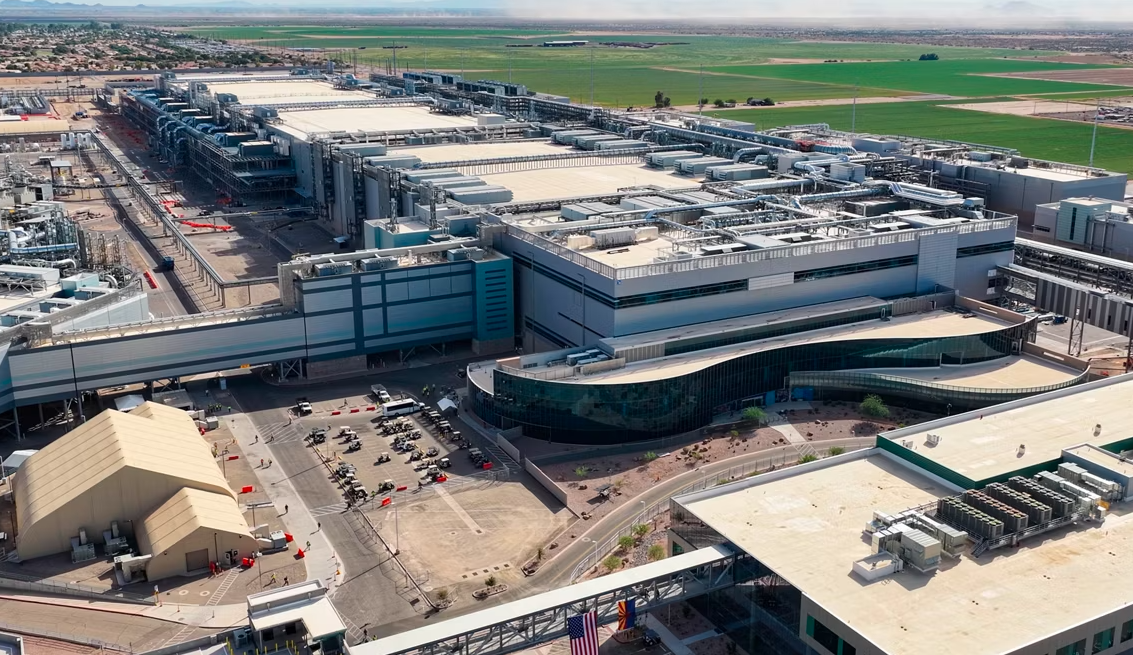
Tech pioneer Intel is enduring one of the most significant existential crises in its fifty-year history, marked by a drastic plunge in its stock value and large-scale layoffs of engineers.
The prediction market sector is also facing turmoil, with platforms like Polymarket and Kalshi under investigation over allegations of insider trading involving government officials.
However, this crisis of integrity is not limited to these sectors alone. Australian gambling giant The Star Entertainment Group finds itself on the brink of bankruptcy following a crippling fine for money laundering and ties to organized crime.
Furthermore, the entire „Big Four“ accounting sector (KPMG, Deloitte, PwC, EY) has been damaged globally by a series of scandals—ranging from the manipulation of audit files in Australia and discrimination lawsuits in the U.S. to the widespread cheating by employees on internal professional examinations.
In the service sector, Starbucks has suffered a blow to its reputation; its South Korean division triggered a boycott due to insensitive marketing content generated by artificial intelligence.
Meanwhile, the cement giant Lafarge serves as a grim cautionary tale, facing definitive convictions for financing terrorism in Syria.
The convergence of these cases clearly demonstrates that neglecting corporate responsibility has become an untenable risk in today’s interconnected world.
|
GLOBAL COMPANIES FACING A CRISIS OF TRUST ====================================== ▪ META PLATFORMS Activity: Operator of global social networks (Facebook, Instagram). ▪ INTEL Activity: World-leading manufacturer of computer microprocessors. ▪ POLYMARKET / KALSHI Activity: Online prediction markets for betting on real-world events. Issue: Under investigation for suspected insider trading involving government officials. ▪ THE STAR ENTERTAINMENT GROUP Activity: Australian operator of luxury hotel resorts and casinos. ▪ THE „BIG FOUR“ AUDIT FIRMS (KPMG, Deloitte, PwC, EY) Activity: The world’s largest providers of audit, tax, and advisory services. ▪ STARBUCKS (KOREA) Activity: The world’s largest chain of coffee shops and premium coffee retailers. ▪ LAFARGE Activity: Multinational industrial manufacturer of construction materials and cement. |
The „Big Tech“ Giants and AI
Tech giants are facing unprecedented pressure regarding data protection, antitrust laws, and the risks associated with artificial intelligence.
Meta Platforms is facing a massive $25 billion fine stemming from long-standing disputes and legal rulings – including cases in New Mexico and the EU – which has reignited the global debate over whether tech giants are „above the law.“ Simultaneously, the company is dealing with security incidents, where a vulnerability in Meta AI allowed hackers to hijack Instagram accounts.
Intel is currently navigating one of the most significant existential crises in its fifty-year history. A drastic decline in its stock value (down more than 50% from its peak), large-scale layoffs affecting tens of thousands of engineers, and a growing technological gap behind competitors like Nvidia and AMD make the company a textbook example of a failed corporate strategy.
Polymarket and Kalshi are facing investigations and scandals involving allegations of insider trading—cases that reportedly implicate government officials and military engineers.
The „Big Four“ accounting firms (KPMG, Deloitte, PwC, and EY) are grappling with a series of scandals worldwide.
KPMG Australia is dealing with the manipulation of audit files and the mishandling of whistleblowers. In the U.S., Deloitte faces lawsuits alleging discrimination, while in Canada, it has been accused of including falsified references in its reports. Furthermore, all four firms have been embroiled in major global scandals involving employees cheating on internal professional certification exams.