Global corporate giants are drastically cutting costs and radically rethinking how they operate.
The global economy is undergoing a profound structural transformation, compelling even the largest corporations to radically re-evaluate their operations. A combination of cooling consumer demand, the high cost of the energy transition, and the enormous expense of implementing artificial intelligence has triggered a wave of mass layoffs and facility closures, reshaping the global labor market.
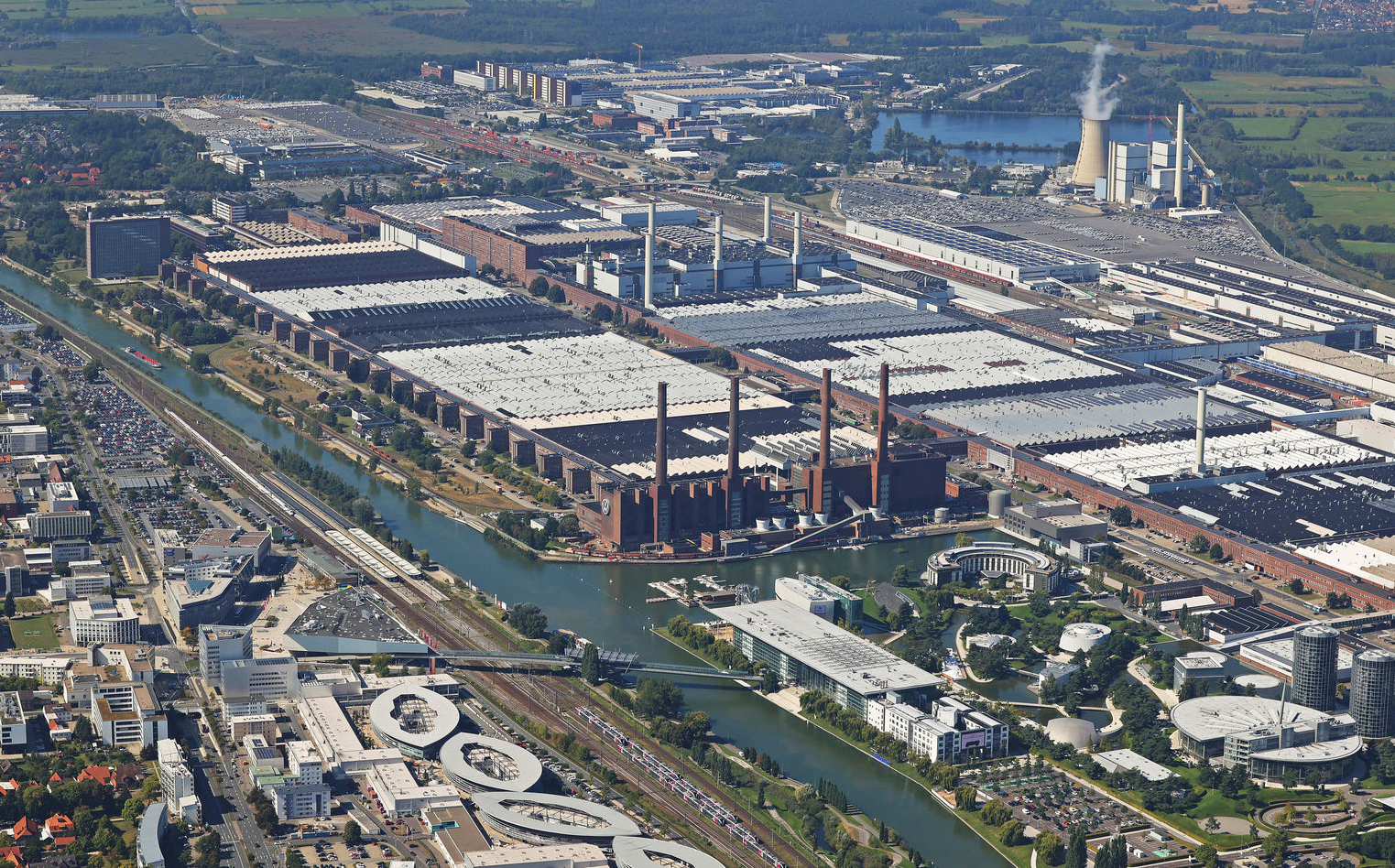
The most prominent symbol of this industrial upheaval is the automotive group Volkswagen. Currently undergoing the largest restructuring in its history, the company is planning wage freezes, the elimination of bonuses, and the layoff of tens of thousands of workers—while also considering, for the first time ever, the closure of factories within Germany itself.
The British automaker Jaguar Land Rover is facing similar pressure, cutting thousands of jobs due to weak sales and the threat of tariffs.
In the technology sector, Microsoft has sent shockwaves through the industry by offering voluntary departure packages to roughly 27 percent of its global workforce, aiming to free up billions in capital for the extremely costly development of AI infrastructure.
The same motive—a massive reallocation of funds toward AI systems—is driving software giant Oracle, which is reducing its headcount by tens of thousands of employees.
The economic slowdown and the need to streamline internal bureaucracy are also taking a heavy toll on other pillars of the economy. Earlier this year, Amazon eliminated thousands of corporate positions as part of a reorganization of its sales teams, while the banking group Citigroup continues an extensive, multi-year restructuring effort aimed at cutting approximately 20,000 jobs.
The fact that economic pressure spares no sector—not even those once considered untouchable—is evidenced by the luxury department store holding company Saks Global, which initiated massive layoffs after filing for bankruptcy protection, and the pharmaceutical leader Novo Nordisk, which, despite the success of its weight-loss drugs, is streamlining its global operations at the cost of thousands of job cuts.
At the extreme end of this grim outlook is the airline Spirit Airlines; its multi-billion-dollar debt led to a total collapse and the termination of its entire workforce. The global business landscape is sending a clear signal: only those capable of immediate and unprecedented reductions in operating costs will survive.

|
WHO IS DRASTICALLY CUTTING COSTS—AND WHY? ▪ VOLKSWAGEN Activity: Europe’s largest automotive group (VW, Škoda, Audi). ▪ JAGUAR LAND ROVER Activity: British manufacturer of luxury and premium off-road vehicles. ▪ MICROSOFT Activity: Technology giant, creator of the Windows operating system and cloud services. The Issue: Offered 27% of its workforce the chance to leave, in order to free up capital for extremely expensive AI initiatives. ▪ ORACLE Activity: A global corporation focused on databases and cloud systems. ▪ AMAZON Activity: A global leader in e-commerce and cloud platforms (AWS). ▪ CITIGROUP Activity: One of the world’s largest investment and commercial banks. ▪ SAKS GLOBAL Activity: A holding company for luxury American department stores (including Saks Fifth Avenue). ▪ NOVO NORDISK Activity: A Danish pharmaceutical company and a leader in treatments for diabetes and obesity. ▪ SPIRIT AIRLINES Activity: An American ultra-low-cost carrier. |
Volkswagen: The Largest Restructuring in History and a Fight for Survival
German automotive giant Volkswagen is facing an existential crisis that is shaking the entire European industrial sector. As part of a plan extending to 2030, the group aims to achieve massive cost reductions exceeding 20 billion euros. Management has officially terminated long-standing collective agreements that guaranteed job security.
Leadership has proposed a wage freeze for all 660,000 employees worldwide through 2030, along with the elimination of bonuses.
Simultaneously, the company plans to lay off between 50,000 and 100,000 workers and—for the first time in its history—is considering the closure of up to four factories within Germany itself.
The root causes of these challenges include pressure from low-cost Chinese competitors, the enormous costs associated with the transition to electric mobility, and weak global demand.
Microsoft: A “Voluntary” Exodus to Fund Billions in AI
Although profitable, Microsoft is undergoing a massive internal restructuring—a move that highlights a new trend in Silicon Valley. The company shocked the market by offering voluntary buyouts to approximately 60,000 employees, representing nearly 27% of its global workforce.
Employees—up to the level of senior leadership—are being offered severance packages equivalent to several months’ salary if they choose to leave. This follows the layoff of 4,800 staff members, primarily within the Xbox division.
The company has resorted to these measures to cut operational personnel costs, aiming to free up capital to fund extremely expensive graphics processing units (GPUs), data centers, and infrastructure for artificial intelligence.
Paradoxically, even staff working on projects like Copilot could be let go, while roles related to the management of data centers remain untouched.